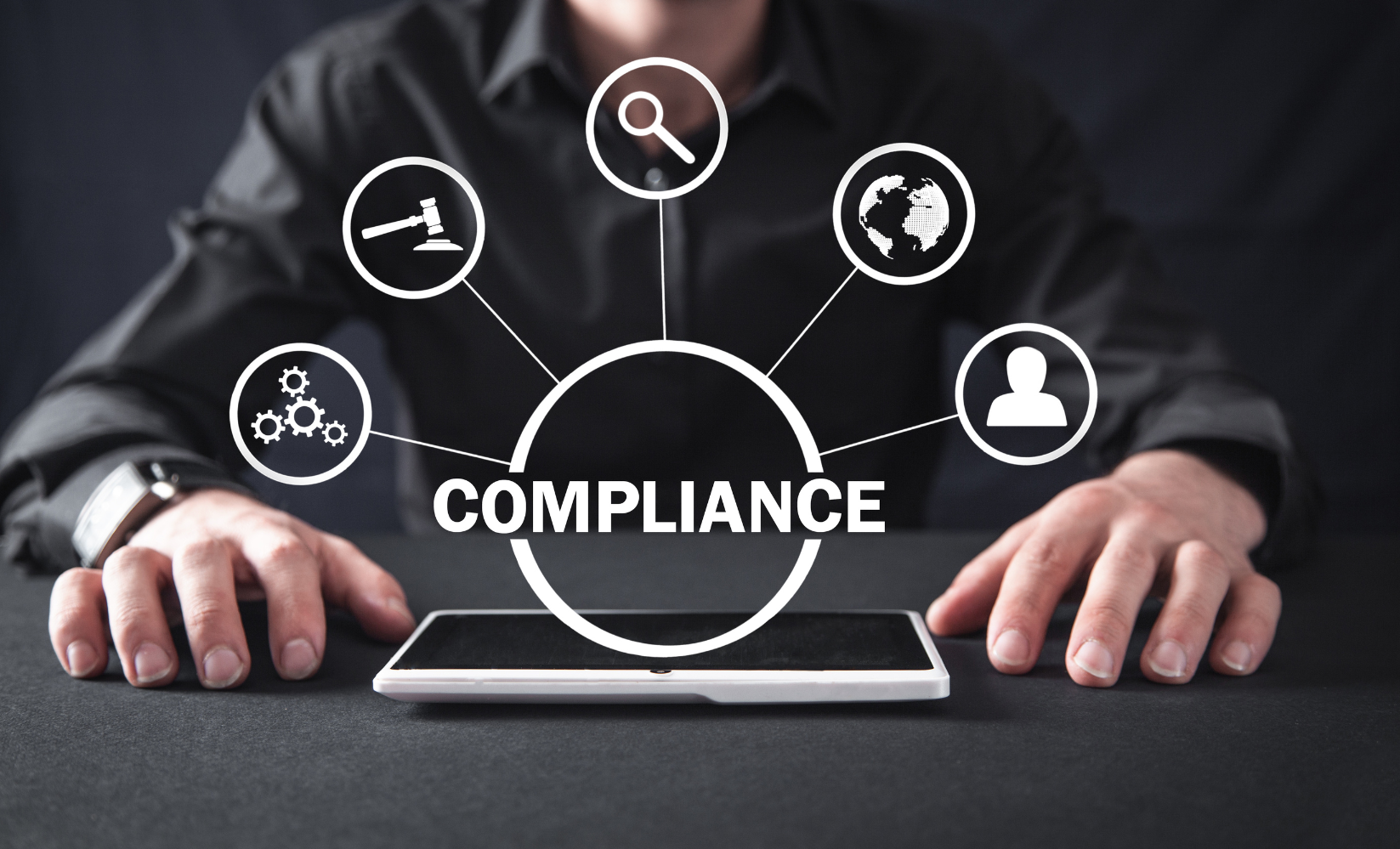
In today’s fast-paced business environment, regulatory compliance is no longer an option but a necessity. Companies, regardless of their size or industry, must adhere to legal and regulatory frameworks to operate smoothly. Failing to comply with legal requirements can result in hefty fines, reputational damage, and even business closure. This article explores the importance of compliance, its impact on business risks, and strategies to ensure adherence to regulatory standards.
Understanding Compliance and Its Importance
Compliance refers to an organization’s ability to follow laws, regulations, standards, and ethical practices relevant to its industry. It encompasses tax laws, labor laws, environmental regulations, and industry-specific legal frameworks.
Why Compliance Matters?
- Protects businesses from legal penalties and lawsuits
- Enhances reputation and builds customer trust
- Ensures smooth operations and long-term sustainability
- Reduces financial risks and prevents fraud
A strong compliance framework acts as a safeguard against legal challenges and business disruptions.
Legal Penalties: Consequences of Non-Compliance
Failure to comply with legal regulations can have severe consequences for businesses. Some of the common penalties include:
A. Hefty Fines and Financial Losses
Governments impose strict fines on businesses that fail to adhere to tax regulations, employment laws, or financial disclosures. For example, non-compliance with GST or corporate tax laws can lead to penalties that impact profitability.
B. Reputational Damage
When companies violate regulatory guidelines, they risk losing the trust of customers, investors, and stakeholders. A tarnished reputation can take years to rebuild and may result in lost business opportunities.
C. Business Shutdowns and Legal Actions
In extreme cases, businesses that continuously ignore compliance requirements may face lawsuits, operational restrictions, or even forced closure. This is particularly true in industries such as finance, healthcare, and environmental sectors, where regulations are stringent.
How Businesses Can Ensure Compliance?
To avoid legal penalties and business risks, organizations must take proactive steps to ensure compliance. Here are three key strategies:
A. Establishing a Strong Compliance Program
Companies should set up an internal compliance framework that includes:
Regular audits and risk assessments
Employee training on legal and ethical guidelines
Implementation of compliance monitoring tools
B. Staying Updated with Regulatory Changes
Laws and regulations are constantly evolving. Businesses must:
Subscribe to regulatory updates and industry newsletters
Consult legal experts or compliance officers regularly
Implement technology-driven compliance management solutions
C. Implementing Transparent Corporate Governance
A strong governance model ensures accountability and ethical business practices. This involves:
Clear policies on data protection and security
Ethical financial reporting and disclosure
Proper documentation and record-keeping
"Compliance is not a cost; it is an investment in the integrity and future of your business."
Conclusion
Compliance is not just a legal obligation; it is a crucial aspect of business sustainability. Organizations that prioritize compliance can prevent financial losses, protect their reputation, and build long-term trust with stakeholders. By implementing robust compliance strategies, businesses can operate with confidence while mitigating legal and operational risks.