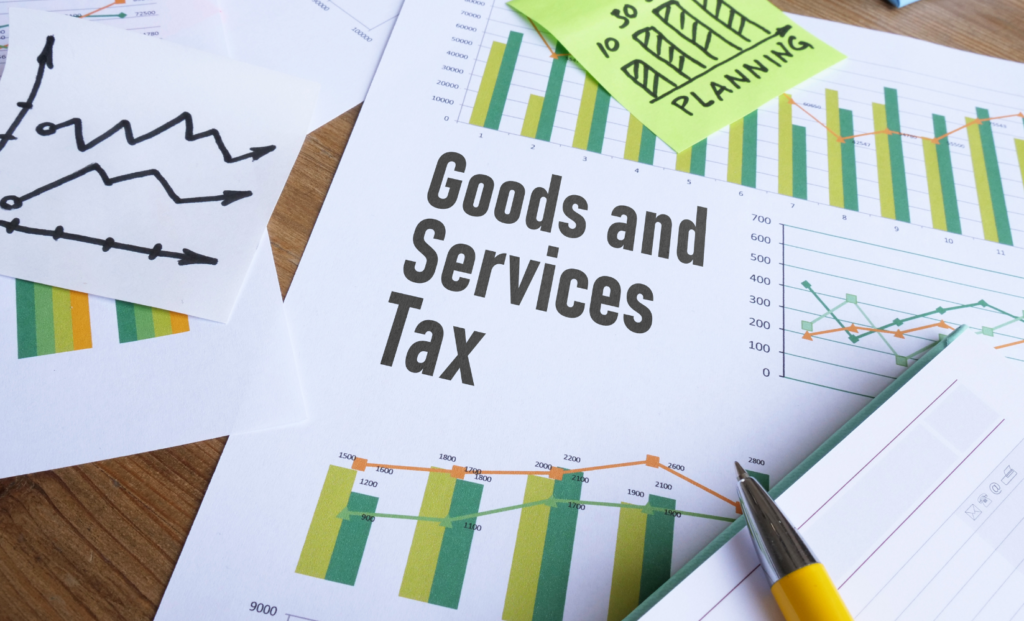
When running a business, understanding taxation is crucial to compliance and financial planning. Two of the most significant taxes in India are Income Tax and Goods and Services Tax (GST). While Income Tax is levied on an individual’s or business’s earnings, GST applies to the sale of goods and services. Many business owners often struggle to differentiate between these taxes, leading to confusion in tax filing and compliance. In this blog, we will break down the key differences between Income Tax and GST, their applicability, and why they are essential for businesses.
Understanding Income Tax and Its Implications
Income Tax is a direct tax imposed by the government on an individual’s or entity’s earnings. It is governed by the Income Tax Act, 1961 and is applicable to all earning individuals, businesses, and companies based on their income slabs.
Who Needs to Pay Income Tax?
- Individuals: Salaried employees, freelancers, professionals, and self-employed individuals.
- Businesses: Proprietorships, partnerships, LLPs, and companies.
- Hindu Undivided Families (HUFs) and Trusts: Subject to tax based on their earnings.
Key Features of Income Tax
- Slab-Based System: Different tax rates for individuals based on their income levels.
- Applicable to Profits: Income Tax is paid only on net profits after deducting expenses.
- Filing Requirement: Businesses and individuals must file an Income Tax Return (ITR) annually.
- Deductions & Exemptions: Various deductions (such as Section 80C, 80D, 80E) help reduce taxable income.
Understanding GST and Its Implications
The Goods and Services Tax (GST) is an indirect tax applied to the supply of goods and services in India. Introduced in 2017, GST replaced multiple indirect taxes like VAT, service tax, and excise duty. It is governed by the GST Act, 2017and follows a destination-based taxation model.
Who Needs to Pay GST?
- Businesses involved in selling goods or services with an annual turnover exceeding ₹40 lakh (₹20 lakh for service providers).
- E-commerce sellers, exporters, and importers.
- Individuals providing freelance services across state lines.
Key Features of GST
- Multi-Tiered Tax Structure: Different tax slabs (5%, 12%, 18%, and 28%) for goods and services.
- Applicable to Sales & Purchases: GST is collected at every stage of production and distribution.
- Input Tax Credit (ITC): Businesses can claim credit on GST paid on purchases to reduce tax liability.
- Monthly/Quarterly Filing: Businesses must file GST returns (GSTR-1, GSTR-3B, etc.) regularly.
"Taxation is the price we pay for a civilized society." – Oliver Wendell Holmes Jr.
Conclusion
While both Income Tax and GST are essential components of India’s taxation system, they serve different purposes. Income Tax is levied on earnings and profits, whereas GST is charged on the sale of goods and services. Understanding these differences helps businesses ensure compliance, manage finances better, and avoid penalties. Business owners must plan their taxation strategy effectively to optimize tax benefits while adhering to the law.